When it comes to the security of our homes and businesses, it is easy to fall into the trap of complacency. Many people assume that because they have never been victimized while at home or at their place of business, that their security is adequate, but that is not always the case.
Developed in the 1970s, Crime Prevention Through Environmental Design (CPTED) is a set of principles that work to deter crime and increase the overall perception of safety by examining the design, intended function, and current usage of physical space. This is accomplished using three principles: Natural Surveillance, Access Control, and Territoriality.
When users of any given space can see one another, crime is naturally deterred. So for homes and businesses, implementing Natural Surveillance means ensuring that sightlines are good - both in and out of the property – so users feel like they are being watched.
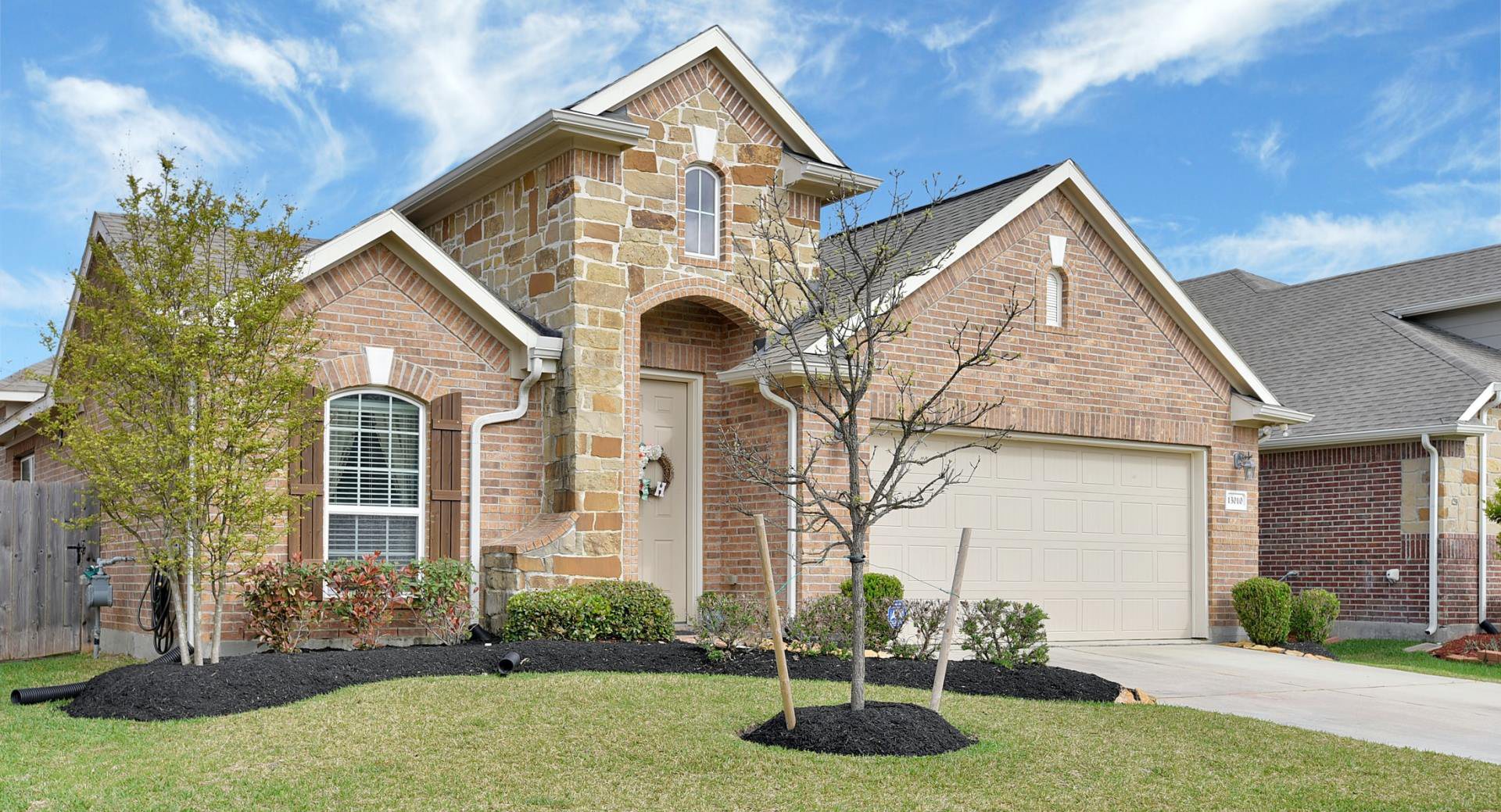
Although suitable for privacy, windows with heavy drapery, frosted glass, or large signage affixed to them obscure the views both ways and create opportunities for potential perpetrators to move around the property unseen. Removing these barriers is a quick way to create the perception of surveillance and increase the safety of your home or business.
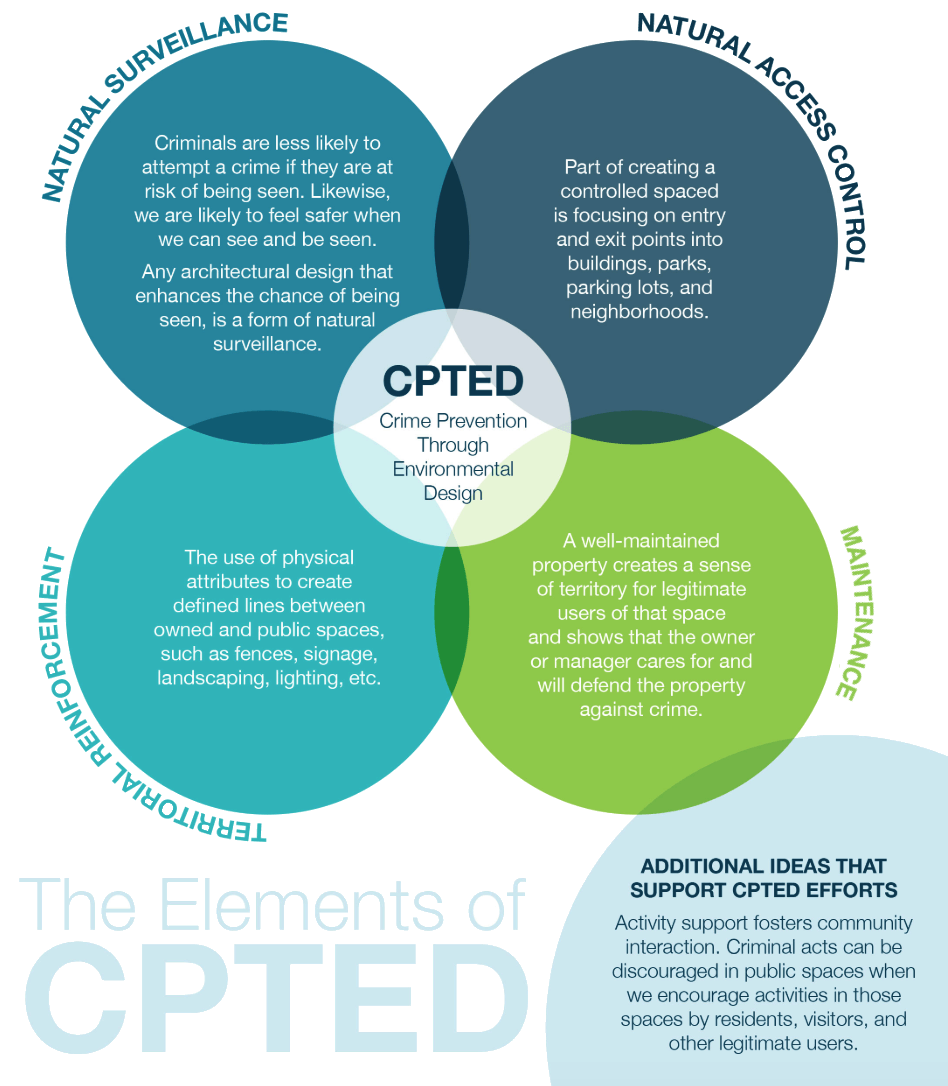
The second principle of Access Control focuses on designing a physical space so that users behave in a manner that is expected. Ask yourself the following questions about your space:
- What is the intended use of this space?
- Are there areas in this space where trespassing or crime occurs?
- Are there areas of transition between public and private space?
- Are private areas easily accessible to trespassers?
By asking these questions, you can quickly get a sense of whether or not you need to improve the access control to your property.
For transitional areas on your property, clearly define each area using low fencing, pathways or a combination of the two so that users get a sense of where one space ends, and the other begins. Additionally, secure private spaces from trespassers using high quality locks and doorframe reinforcements, and always close and lock windows when you are away from your property.
The final principle of Territoriality is all about “owning” your space. When people believe that a space is cared for, they are more likely to respect that space, and less likely to engage in criminal activity/ disorderly behaviour there as well. Create a sense of territoriality by ensuring your yard and lawn are well kept, landscaping stays trimmed, and the exterior of your home/business looks clean and maintained.
Integrating the three principles of CPTED is not only easy, but also proven to be effective at deterring crime.
For more information, please contact:
Constable
Lauren Vanspal
Crime Prevention/Community Relations Officer
Toronto Police Service, 31 Division
416-808-3133